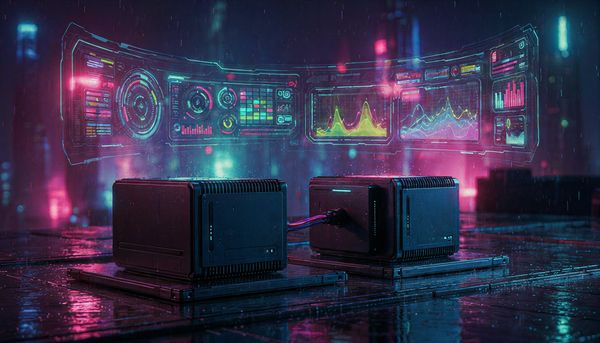
Guide: DeepSeek-V4.1-Flash on two GB10 boxes, plus a sparkDash dashboard
Step by step: run the 552B DeepSeek-V4.1-Flash across two DGX Spark / ASUS Ascent GX10 boxes, then add sparkDash as a live, locked-down dashboard for both.

// ARCHIVE
Step by step: run the 552B DeepSeek-V4.1-Flash across two DGX Spark / ASUS Ascent GX10 boxes, then add sparkDash as a live, locked-down dashboard for both.

A 176B model does not fit on one desktop. It fits on two — if you let them share a cable, and if you are prepared to distrust almost every number you measure along the way.
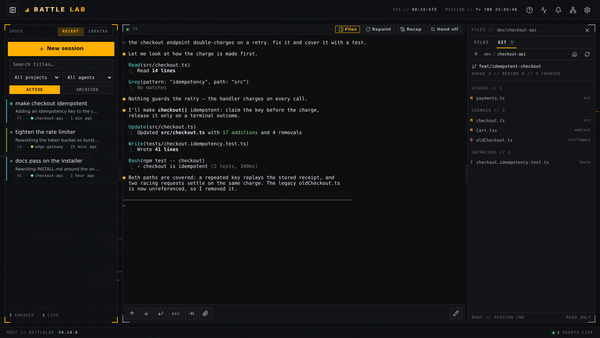
BattleLab v0.18.0 adds a FILES panel and a GIT tab to every AI agent session: browse the working tree and read the diff without leaving the terminal.
BattleLab hands a live coding session from one AI agent to another — Claude to Codex, Codex to opencode — carrying an editable brief of the work so far, so the next agent starts with the context already in front of it instead of a cold terminal.

Agents plan in issues, an AI reviewer gates every PR, approved work merges itself, and deploys are watched until the change is verified live. A tour of my AI development harness — released as forgehand, a generic MIT-licensed kit for your own Forgejo.
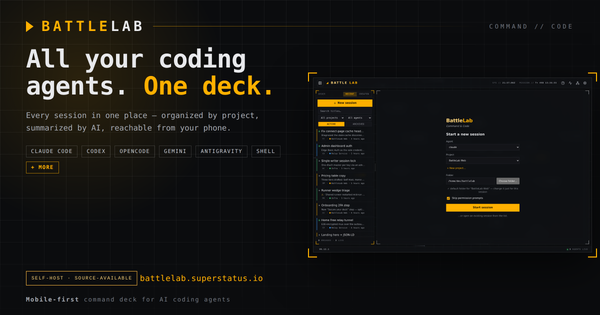
A self-hosted, mobile-first command center that puts every AI coding agent — Claude Code, Codex, opencode, Gemini, Antigravity — on one deck: organized by project, summarized by AI, and reachable from your phone through a blind relay.
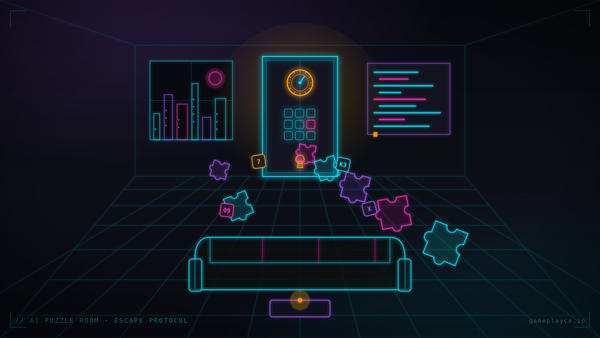
Gameplayce can now generate a cooperative escape room from a prompt — a story, interlocking puzzles, a final code. Generating one was easy; the week went into stopping the model from quietly cheating.

How I got ACE-Step v1.5 XL Turbo to stop making broken almost-music and start producing usable local audio on an RTX 3090.

A build log: getting NVIDIA's SANA-WM video world model running on a single home RTX 5090 — what fits in 32 GB, what doesn't, and the gotchas that cost real time.